

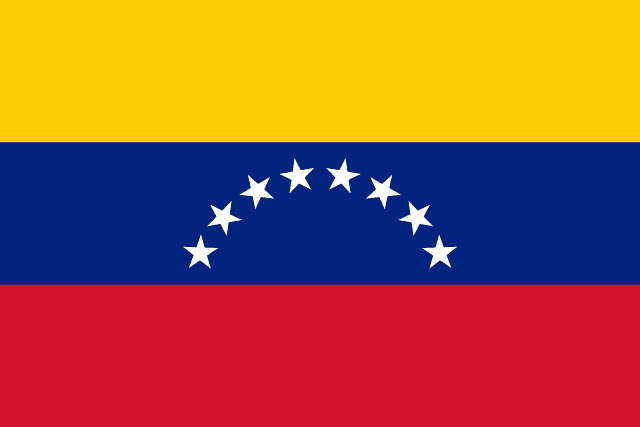
About Venezuela
Venezuela's oil industry, nationalized under the state company PDVSA, generated extraordinary wealth during the 20th century — particularly during the oil boom decades of the 1970s. Hugo Chávez, who came to power in 1999 and governed until his death in 2013, used oil revenues to fund ambitious social programmes that reduced poverty and expanded access to healthcare and education, while also centralizing political power and undermining democratic institutions. When oil prices collapsed after 2014, and after years of mismanagement, corruption, and US sanctions, the economy imploded catastrophically.
The resulting humanitarian crisis is one of the largest in the Western Hemisphere: hyperinflation destroyed the currency, shortages of food and medicine became chronic, the healthcare system collapsed, and over 7 million Venezuelans — roughly 25% of the population — fled the country in what became one of the largest displacement crises in the world. Despite enormous oil wealth beneath its soil, Venezuela became dependent on food imports it could no longer afford. Angel Falls, in the Canaima National Park, is the world's highest uninterrupted waterfall — a symbol of the country's spectacular natural endowment that stands in stark contrast to its human crisis.
A petrostate of extraordinary natural wealth — from the world's largest oil reserves to Angel Falls — mired in political and economic collapse.