


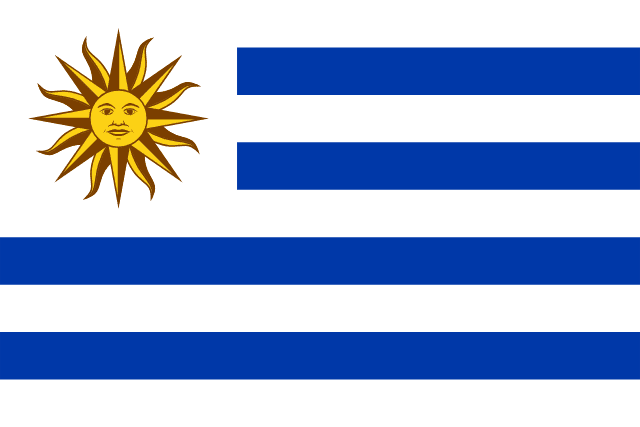
About Uruguay
Uruguay has a long tradition of progressive social policy that dates back to the early 20th century reforms of President José Batlle y Ordóñez, who built a welfare state, separated church and state, and established labour protections well ahead of most of the world. In recent decades, this tradition has continued: Uruguay was the first country in the world to fully legalize and regulate the commercial production and sale of cannabis (2013), legalized same-sex marriage in 2013, and made abortion legal and publicly funded. The country also legalized and regulated all hard drugs by treatment rather than criminalization.
Uruguay has become a leader in renewable energy, generating over 95% of its electricity from wind, solar, and hydroelectric sources. Its economy — based on agriculture (beef, soybeans, wool, dairy), financial services, and tourism — has been managed with notable fiscal discipline. Montevideo, the capital, is home to the majority of the population and is one of the most livable cities in Latin America. The Punta del Este resort peninsula is one of South America's most glamorous summer destinations, drawing visitors from across the region.
South America's most progressive and secular democracy, a pioneer in social reform and renewable energy.