

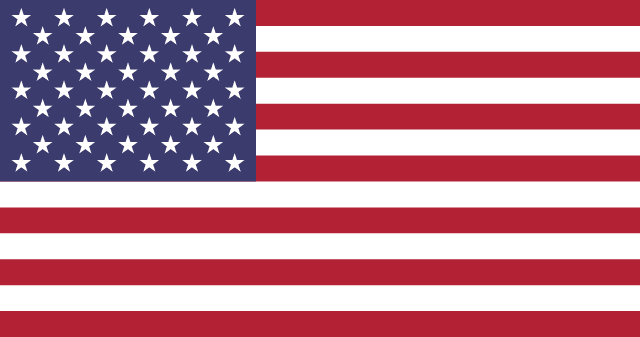
About United States
The United States sits at the geographic and geopolitical center of the Western Hemisphere. Its economy — the largest in the world by nominal GDP — is driven by a dynamic private sector spanning technology, finance, energy, agriculture, and manufacturing. Silicon Valley, Wall Street, and Hollywood have each in their own way shaped modern global civilization.
The country's democratic institutions, established through the Constitution of 1787, have proven remarkably durable, surviving civil war, economic depression, and profound social upheaval. The U.S. has been the anchor of the postwar international order: a founding member of the United Nations, the driving force behind NATO, and the world's reserve currency issuer.
Geographically, the contiguous 48 states span six time zones and encompass extraordinary environmental diversity — the Rocky Mountains, the Great Plains, the Mississippi River basin, the Everglades, and the Sonoran Desert. The population of over 330 million is one of the most ethnically diverse in the world, shaped by centuries of immigration from every corner of the globe.
Across the Americas, U.S. foreign policy, trade relationships, and cultural exports touch every nation. Its decisions on migration, trade agreements, drug policy, and climate set the terms for regional debate.
The world's largest economy and oldest modern democracy.