


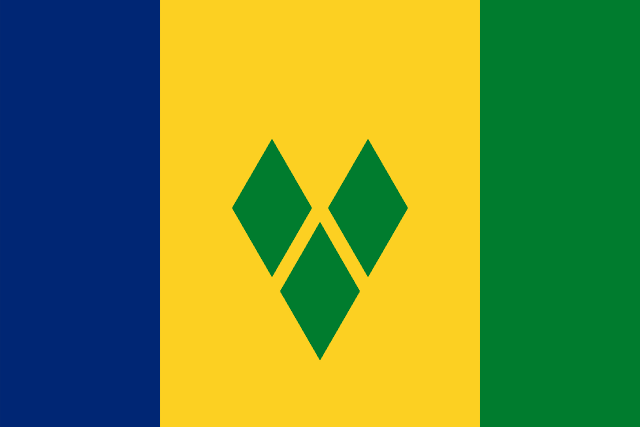
About Saint Vincent and the Grenadines
Saint Vincent was one of the last islands in the Caribbean to be colonized by Europeans, partly due to fierce resistance from the indigenous Kalinago (Island Caribs) and the Black Caribs — people of mixed African and Carib descent who fought the British until their defeat and deportation to Central America in 1797. The descendants of those deportees, the Garífuna, today form a distinct cultural community on the coasts of Honduras, Belize, and Guatemala.
The economy of Saint Vincent and the Grenadines depends on tourism, agriculture (bananas and arrowroot), and remittances. The Grenadines — particularly Bequia, Mustique, and the Tobago Cays — are among the Caribbean's premier sailing destinations, offering sheltered anchorages, pristine reefs, and a culture of seamanship. The main island of Saint Vincent has an active volcano, La Soufrière, which erupted dramatically in 2021, forcing the evacuation of thousands and devastating agricultural land.
A multi-island nation stretching through the southern Grenadines, famous for its sailing waters and Mustique.