


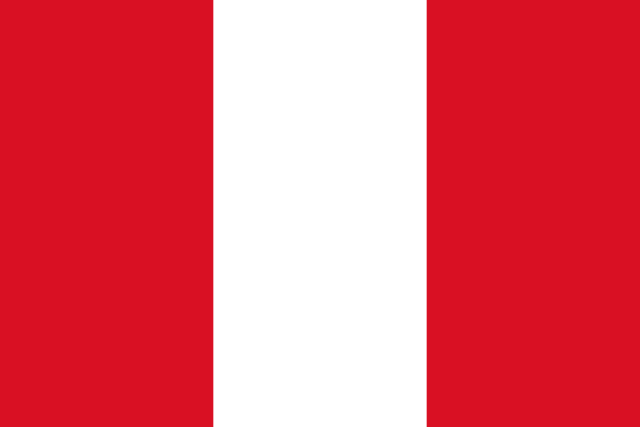
About Peru
Machu Picchu, the Inca citadel built in the 15th century high in the Andes above the Urubamba River, is the most visited archaeological site in South America and one of the most iconic images of the ancient world. The Inca capital of Cusco — today a living city of 400,000 — was the navel of the Inca world, and its layered colonial architecture, built by the Spanish on top of Inca stone foundations, creates one of the most historically layered urban environments in the hemisphere.
Peru's economy is anchored by mining — the country is a leading world producer of copper, silver, gold, zinc, and lead — and by a rapidly growing tourism sector. Lima has emerged as one of South America's culinary capitals, with restaurants drawing on the extraordinary biodiversity of Andean and Amazonian ingredients fused with Japanese, Chinese, and Spanish influences to create a cuisine increasingly recognized as among the world's most creative. The country has faced persistent political instability, with a rapid succession of presidents — several prosecuted for corruption — and deep tensions between Lima and the poorer highland and jungle regions.
Home to Machu Picchu and the Inca Empire — a land of extraordinary archaeology, biodiversity, and cuisine.