


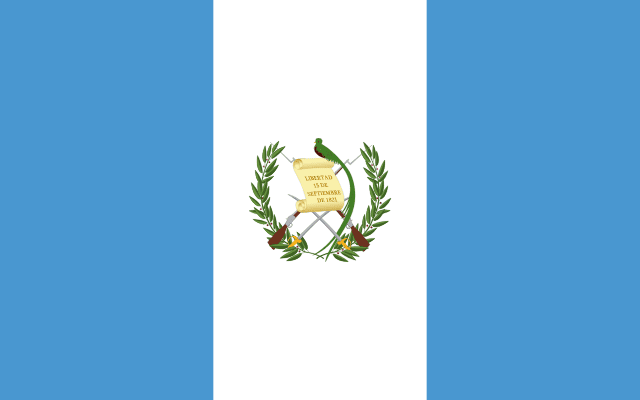
About Guatemala
Guatemala's indigenous Maya population — over 40% of the national total — preserves a living connection to one of the ancient world's most sophisticated civilizations. The archaeological site of Tikal, deep in the Petén jungle, was one of the dominant cities of the Classic Maya period and is now a UNESCO World Heritage Site and international tourist destination. The highland town of Chichicastenango hosts one of the largest indigenous markets in the Americas, a vivid expression of living Maya culture.
The civil war that ended in 1996 claimed an estimated 200,000 lives, the majority of them indigenous Maya killed by state forces. The war's legacy of impunity, inequality, and institutional weakness continues to shape Guatemala's development. High rates of malnutrition — particularly in indigenous communities — and chronic rural poverty drive one of the largest flows of migration to the United States in Central America. Remittances have surpassed coffee as the country's largest source of foreign income, reflecting both the scale of emigration and the persistent economic pressures at home.
The heart of ancient Maya civilization, and Central America's most populous nation.