


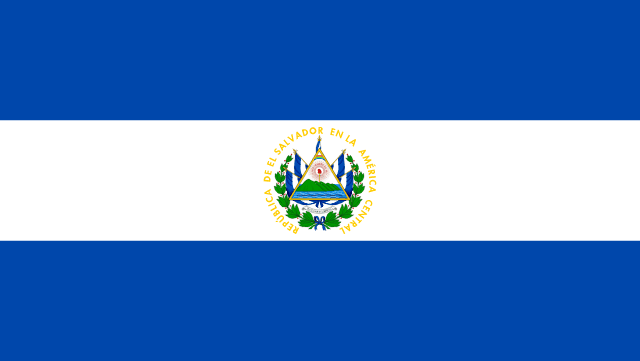
About El Salvador
El Salvador endured a devastating civil war from 1979 to 1992, during which an estimated 75,000 people were killed and over a million displaced. The peace accords led to democratic consolidation, but the country subsequently struggled with gang violence — particularly the MS-13 and Barrio 18 — which drove homicide rates among the highest in the world and pushed large waves of emigration to the United States. Remittances from the Salvadoran diaspora became the single largest source of national income.
Since 2019, President Nayib Bukele has transformed the country's political landscape with a populist, authoritarian style that has included mass incarceration of gang members, a crackdown on political opposition, and the Bitcoin experiment. Crime rates have fallen dramatically, attracting international attention — though critics argue the methods have come at the cost of civil liberties and due process. El Salvador's Pacific coast, particularly the surf breaks around El Tunco and La Libertad, is internationally recognised as one of the premier surfing destinations in the Americas.
Central America's smallest and most densely populated country, the first in the world to adopt Bitcoin as legal tender.