


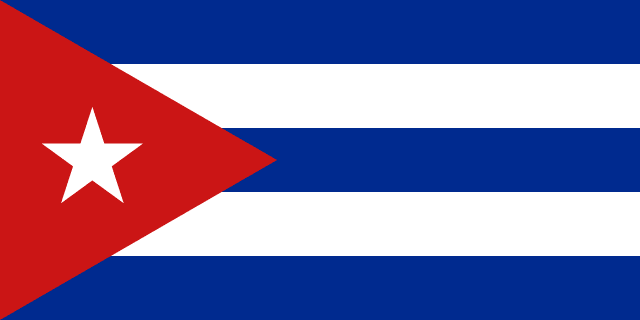
About Cuba
The Cuban Revolution transformed the island and reverberated across the globe. Castro's government nationalized industries, collectivized agriculture, and aligned Cuba with the Soviet Union — placing it at the centre of Cold War confrontation, most dramatically during the 1962 Cuban Missile Crisis. Despite the collapse of the Soviet Union and the withdrawal of its economic support, the Cuban government survived, sustained by a combination of ideology, repression, and later, Venezuelan oil support.
Cuba has developed significant strengths in healthcare and education despite its economic constraints: literacy rates are near universal, and the country trains large numbers of doctors who serve both domestically and in international missions. Havana, the capital, retains a unique architectural character — a UNESCO-listed colonial core largely frozen in time by the economic conditions of the embargo era. The island's music, art, and cultural exports — from son cubano to salsa — have had a disproportionate global influence.
The Caribbean's largest island, and the only socialist state in the Western Hemisphere.