


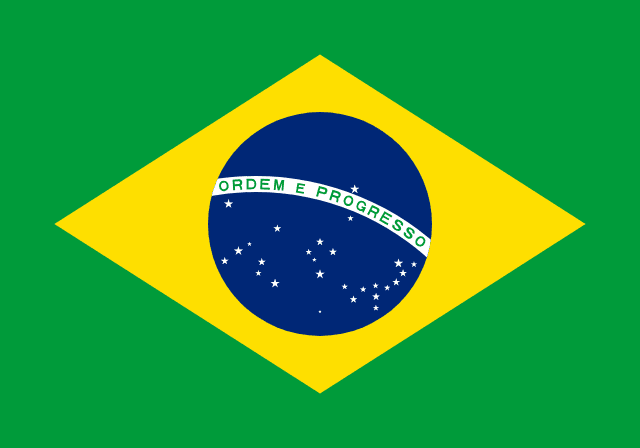
About Brazil
Brazil's Amazon basin is the planet's largest tropical rainforest, covering approximately 5.5 million square kilometers and hosting an estimated 10% of all species on Earth. The Amazon River carries more freshwater than any other river system, discharging roughly 20% of all freshwater entering the world's oceans. The rainforest's fate is one of the defining environmental questions of the 21st century.
The country's population of over 215 million is one of the most ethnically diverse on Earth, formed by the mixing of Indigenous peoples, Portuguese colonizers, and millions of enslaved Africans brought to work the sugar and coffee plantations. This fusion produced a culture of extraordinary vibrancy — Carnival, samba, bossa nova, and a tradition of religious syncretism that blends Catholic, African, and Indigenous spiritual practices.
Economically, Brazil is the largest economy in Latin America and one of the world's ten largest. Agriculture is a powerhouse: Brazil is the world's top exporter of soybeans, beef, poultry, sugar, and coffee. The industrial southeast — anchored by São Paulo, the continent's largest city — houses a diversified manufacturing base including aerospace (Embraer), automotive, and petrochemicals (Petrobras).
Politically, Brazil re-established democratic governance in 1985 after two decades of military rule. Its politics have been defined since then by the tension between market-oriented reforms and redistributive social programs. The country plays an outsized role in regional diplomacy and has long sought a permanent seat on the UN Security Council.
South America's largest nation, home to the Amazon and the world's fifth-largest population.