


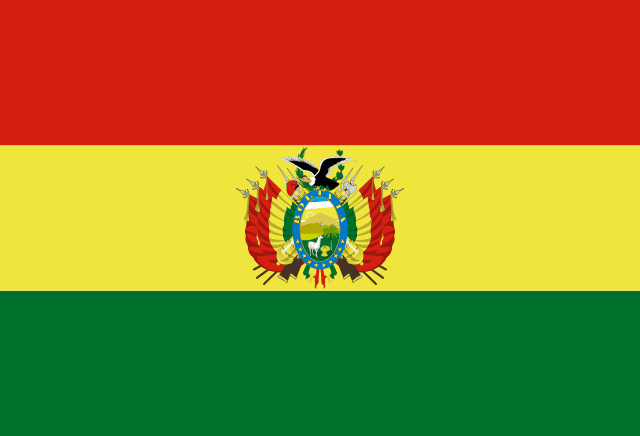
About Bolivia
The Altiplano — a high plateau averaging over 3,700 metres above sea level — is home to most of the population and the seat of government in La Paz, the world's highest administrative capital. Lake Titicaca, on the border with Peru, is the world's highest navigable lake and the cultural heart of the ancient Tiwanaku civilization. The Salar de Uyuni, the world's largest salt flat, has become one of South America's most visited natural wonders.
Bolivia holds some of the world's largest reserves of lithium — the critical mineral for battery technology — concentrated beneath its vast salt flats. It also has significant reserves of natural gas, silver, and zinc. Despite these natural riches, Bolivia remains one of South America's lower-income countries. The country has historically been shaped by political instability and social movements, including the rise to power in 2006 of Evo Morales, the first indigenous president in Bolivian history, whose government oversaw significant economic growth and social investment.
A landlocked Andean nation of extraordinary altitude and diversity, home to the world's largest salt flat.